






























Key Takeaways:
-
High-quality mulberry silk pillowcases last 3–6+ years with proper care.
-
Momme weight determines durability, with 22 momme offering the best longevity balance.
-
Gentle washing, cold water, and air drying dramatically extend silk pillowcase lifespan.
-
Silk outperforms cotton and satin for long-term hair, skin, and sleep benefits.
If you've invested in a silk pillowcase for better hair, skin, or sleep, you're probably wondering: how long will it actually last?
Unlike cotton pillowcases that survive years of rough treatment, silk has a reputation for being delicate. But here's the truth: a well-made mulberry silk pillowcase isn't fragile—it's durable when treated right.
This guide is for anyone considering or already using silk pillowcases who wants to maximize their investment. Understanding silk pillowcase lifespan helps you get the most value and benefits for your hair, skin, and sleep.
What Is the Lifespan of a Silk Pillowcase?
Silk Pillowcase Lifespan by Material Quality
A silk pillowcase typically lasts 2 to 5 years, but can extend to 6+ years with excellent care or shorten to 1-2 years with neglect, depending on quality and usage frequency. High-quality mulberry silk pillowcases can last between 5 to 6 years with proper care, while some premium silk pillowcases can last 10 years or more under optimal conditions.

Not all silk pillowcases are created equal—quality varies significantly between products. Here's what you can expect:
-
Low-quality silk or satin blends: 6–18 months before pilling or thinning
-
High-quality 100% mulberry silk: 3–5+ years with consistent benefits
-
Premium silk with higher momme weight: 5–7+ years when properly maintained
Silk longevity depends on fiber type, fabric density, washing frequency, and daily friction. A pillowcase exposed to oils, sweat, and rough washing cycles wears out faster than one washed gently and rotated regularly.
What Makes Mulberry Silk Pillowcases Last Longer?
Why Mulberry Silk Is the Gold Standard
Mulberry silk is made from silkworms fed exclusively on mulberry leaves from the mulberry tree, producing long, uniform fibers that resist breakage and tearing. The tight, smooth weave means less surface friction during sleep—so this lustrous fabric doesn't pill or roughen like cotton or other fabrics.
This reduced friction also means silk pillowcases help prevent sleep wrinkles and creases by reducing friction against your skin at night.
Blissy's silk pillowcases are made from Grade 6A mulberry silk and independently tested for fiber quality and durability. With over 230,000 five-star reviews, customers absolutely love their results and report using their Blissy pillowcases for years without noticeable wear.
Mulberry Silk vs Satin and "Silk Blends"
Satin is not silk. Satin refers to a weave pattern, not a fiber type. Most "satin" pillowcases are polyester, which breaks down quickly—typically lasting 6–12 months before pilling. Silk is a natural protein fiber that is breathable and temperature-regulating, unlike synthetic satin or synthetic materials.
For longevity, avoid anything labeled "silk blend" or simply "satin." Look for 100% mulberry silk with clear momme weight labeling.
How Momme Weight Affects Silk Pillowcase Longevity
What Momme Weight Means
Momme weight measures silk density, and a higher momme count indicates a denser and more durable fabric. This measurement of silk density directly impacts how well the material withstands washing, friction, and nightly wear.
Best Momme Weight for Long-Term Use
-
19 momme: Soft and affordable, but thinner fabric wears faster (2–3 years)
-
22 momme: Sweet spot for durability and comfort (3–5 years)
-
25 momme: Ultra-dense, lasts 5+ years but feels firmer

For most people, 22 momme offers the best balance. Blissy uses 22 momme mulberry silk for optimal durability and skin-friendly texture. This weight resists daily wear while remaining soft enough to prevent frizzy hair and minimize rubbing against sensitive skin.
How Washing Silk Pillowcases Impacts Their Lifespan
Hand Wash vs Machine Washing
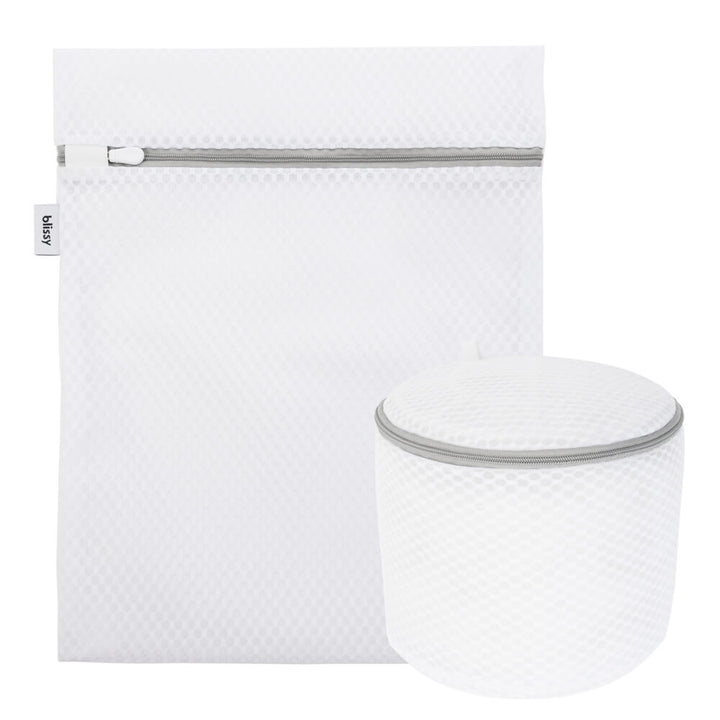
Hand washing extends silk life longest. Machine washing introduces more friction and agitation. If you machine wash, always use a delicate machine cycle with cold water and a mesh laundry bag.

Steps for Washing Silk Pillowcases
Taking good care of your silk pillowcase keeps it soft, smooth, and beautiful for years—no thinning, fading, or dullness.
-
Turn inside out before washing to protect the outer surface from friction
-
Hand wash or machine wash on a delicate/hand wash cycle to maintain a silk pillowcase's integrity.
-
Use cold water only—heat weakens silk's natural proteins
-
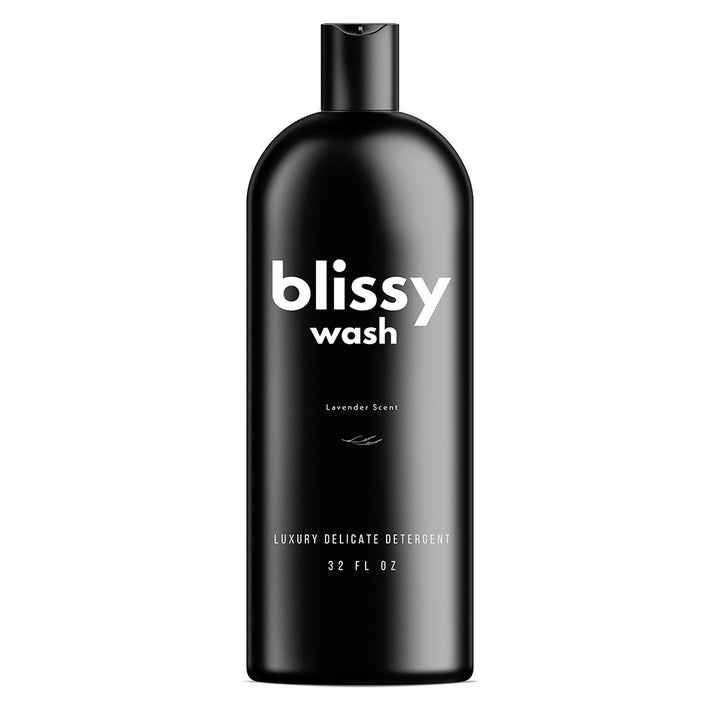
Choose enzyme-free, pH-neutral silk detergent—avoid bleach, fabric softeners, or harsh chemicals
-
Add only a few drops of mild detergent—too much soap damages fibers
-
Place in mesh bag—prevents snagging and reduces friction
-
Never wring or twist—gently press out excess water
-
Air dry flat or hang—dryers destroy silk fibers instantly
-
Iron silk pillowcases on the lowest heat setting with a cloth between the iron and the silk if necessary.
Pro Tip: Apply heavy creams or oils at least 15 minutes before bed to minimize product transfer that can degrade silk.

Further Reading:
How Often Should You Wash a Silk Pillowcase?
Wash your silk pillowcase every 1–2 weeks for the best balance between hygiene and fabric longevity. This washing frequency minimizes oil and bacteria buildup without excessive stress on the weave.
Silk pillowcases create a naturally hypoallergenic environment that resists dust mites, mold, and bacteria—but they still need regular cleaning to prevent harboring bacteria over time.


Does Sleeping Hot Shorten the Life of a Silk Pillowcase?
Yes—sleeping hot increases moisture, friction, and oil buildup, which weakens fibers and requires more frequent washing.
However, silk is still the best material for hot sleepers. Unlike a cotton pillowcase that traps heat, silk is naturally temperature regulating and helps you stay cool all night long.
Tips for Hot Sleepers:
-
Rotate 2–3 silk pillowcases so each one airs out completely
-
Wash gently, not more often
-
Air dry completely before reusing
-
Choose 22 momme silk for better durability under heat and moisture
Blissy Mesh Laundry Bags





Drying and Storage Tips That Prevent Premature Wear
Never use a dryer—heat breaks down silk's natural proteins. Air dry flat or hanging in a cool, shaded area away from direct sunlight. After washing, gently press out excess water with a clean towel—never wring or twist.
Store silk pillowcases in breathable cotton or canvas storage bags to avoid moisture buildup that may lead to mold. Keep in a cool, dry place—avoid plastic bags that trap moisture.
Common Mistakes That Ruin Silk Pillowcases Early

-
Hot water or heat drying
-
Regular detergent or fabric softeners
-
Washing without a mesh bag
-
Ironing directly on silk (use lowest heat with cloth barrier if necessary)
-
Sleeping with wet hair repeatedly
-
Soaking for too long
-
Using bleach or harsh stain removers
Avoiding these mistakes can double or triple your pillowcase's lifespan.

Signs It's Time to Replace Your Silk Pillowcase
Replace yours when you notice:
-
Thinning or transparency in spots where fabric is wearing through
-
Rough or papery feel instead of the signature smooth texture
-
Loss of natural sheen—fabric looks dull or matte
-
Fraying seams or zipper stress around closures
-
Hair and skin benefits decline—more frizzy hair, tangles, or sleep creases appear
If you see 2–3 of these signs, your pillowcase is no longer offering the full protective benefits for your skin and hair.

How to Make a Silk Pillowcase Last as Long as Possible
-
Rotate 2–3 pillowcases between washes so each one airs out completely
-
Use silk-safe, pH-balanced detergent designed for natural fibers
-
Choose 22 momme weight upfront for optimal durability
-
Wash gently in cold water using the delicate cycle or hand wash
-
Air dry patiently—never rush the process with heat
-
Store in breathable bags away from moisture and direct sunlight
-
Turn inside out before washing to protect the outer surface
-
Apply skincare earlier to prevent product transfer to fabric
Blissy customers consistently report 3–5 years of use following these guidelines—many say their pillowcase stays soft and smooth after years of nightly use.

Why Silk Pillowcases Are Worth the Investment
Hair and Skin Benefits That Last
Sleeping on silk significantly reduces frizz, tangles, and breakage compared to a cotton pillowcase. The smooth surface creates less friction as you move during sleep. Silk pillowcases help keep your expensive blowout smooth and sleek by minimizing rubbing.
Silk pillowcases do not absorb natural oils, which helps retain moisture in your hair and skin. Unlike cotton that pulls moisture away, silk keeps your skin's natural hydration intact—reducing the appearance of sleep creases.

Silk pillowcases can help reduce the appearance of acne by not harboring bacteria and not absorbing skincare products. The naturally hypoallergenic properties mean silk creates an environment that resists dust mites, mold, and bacteria—offering benefits for sensitive skin.
Is a Silk Pillowcase Worth It Long-Term?
Absolutely. A $50–$70 pillowcase lasting 5 years costs just $10–$14 per year—less than most skincare or hair products. Blissy's silk pillowcases are backed by clinical testing and over 230,000 five-star reviews from customers who absolutely love the results.
A well-made silk pillowcase isn't delicate—it's durable when treated correctly. Choose 100% mulberry silk with appropriate momme weight, care for it gently, and you'll enjoy years of better hair, skin, and sleep. The investment in premium silk is a game changer that pays dividends every single night.


