






























Key Takeaways:
-
Silk is made of natural protein fibers; satin is usually synthetic.
-
A silk pillowcase creates 43% less friction than cotton.
-
Silk's smooth surface may help reduce hair breakage and frizz.
-
Silk is naturally hypoallergenic, while less-breathable polyester satin may trap heat and irritate sensitive skin.
Wondering whether silk or satin is better for your skin and hair? The material you sleep on matters more than you think. From moisture retention to friction reduction, your pillowcase can impact skin clarity, hair health, and even sleep quality.
Here’s how silk vs satin really compares—and whether satin is actually good for your skin.
Silk vs Satin Pillowcase: What’s the Difference?
There are distinct differences when it comes to satin or silk pillowcases. While both can feel smooth, silk describes a natural fiber while satin describes a weave structure that can be made from several different materials.
Silk Is a Natural Fiber; Satin Is a Weave Structure
The most important distinction is that silk is a natural fabric made of protein fibers spun by silkworms, while satin refers to a weave structure rather than a specific fiber.
Silkworms spin cocoons using a strong yet flexible natural fiber. Silk has been a highly prized material for thousands of years—going back to ancient China—and today is known for its smooth texture, luxurious feel, and durability.
What Is a Real Silk Pillowcase Made Of?
A real silk pillowcase is made from silk fibers rather than synthetic fibers designed to imitate silk's smooth surface. Mulberry silk is one of the best-known forms of silk used for high-quality pillowcases.
Mulberry silk is an ultra-soft, fine silk made from silkworm cocoons. It is used in premium silk pillow cases because of its smooth surface and natural fiber structure.
What Is Polyester Satin Made Of?
Quick Fact: Satin refers to the weave of a fabric rather than the fiber itself.
Although satin can be woven from silk and sold as “silk satin,” many pillowcases marketed simply as satin are made from polyester, nylon, rayon, or other synthetic materials.
Polyester satin is inexpensive to manufacture, which helps explain why satin pillowcases generally cost less than real silk. If a product is labeled only “satin” rather than “silk satin,” check the fiber content to find out what it is actually made from.
These synthetic fibers can create a smooth surface, but they don't have the same natural fiber structure as silk. Learn more about satin and breathability.
Silk vs Satin Pillowcase for Hair: Which Is Better?

How Silk and Satin Reduce Friction Compared With Cotton
Both silk and satin provide a smoother sleeping surface than many conventional pillowcase materials. Less friction means there is less resistance against the hair fiber and hair shaft as you move during the night.
A satin pillowcase may therefore offer some hair benefits, including helping manage frizz. However, the material beneath that smooth satin weave still matters when comparing satin with real silk.
Silk Pillowcase Hair Benefits
When considering satin or silk pillowcases for hair care, silk's smooth surface helps limit the pulling and friction that can contribute to tangles and breakage overnight.
Silk can help keep hair detangled and may help maintain hair moisture and natural oils. This can contribute to smoother-looking hair and natural shine by morning.
Learn more about how silk may help with hair breakage.
Silk vs Satin for Hair Moisture, Frizz, and Breakage
Satin pillowcases may benefit your hair by reducing frizz because both silk and satin offer a relatively smooth, low-friction surface compared with cotton.
Real silk, however, combines that smooth texture with a natural protein fiber. Reducing friction can help prevent the pillowcase from catching or pulling hair as much as rougher materials may.
Which Is Better for Curly and Textured Hair?
For curly and textured hair, minimizing overnight friction can be particularly useful because rubbing and pulling can disrupt curl patterns and contribute to frizz.
Both satin and silk can provide a smoother surface than cotton, but real silk offers the additional qualities of a natural fiber while helping hair glide across the pillow rather than repeatedly catching against it.
Further Reading:
Silk vs Satin Pillowcase for Skin: Which Is Better?
For hair and skin, the differences between silk and satin extend beyond how smooth each material feels. Fiber content, friction, moisture, and breathability can all affect how a pillowcase feels against human skin throughout the night.

Silk vs Satin for Sensitive Skin
Silk's smooth surface creates less rubbing against the face while you sleep, making it a popular pillowcase material for people with sensitive skin.
Silk is also described as naturally hypoallergenic. Learn more about hypoallergenic silk pillowcases.
Polyester satin and other synthetic satin materials do not have the same natural fiber composition. People who experience scalp irritation or sensitive skin should therefore consider both the weave and the actual fiber content when choosing a pillowcase.
Moisture Retention and Keeping Skin Hydrated
A pillowcase stays in contact with your face for hours each night, so its surface and moisture characteristics matter for skin health. Silk's smooth texture can help reduce friction while helping skin retain the moisture it needs.
This makes silk popular among sleepers who want to help keep their skin hydrated overnight rather than sleeping against a more absorbent or rough-feeling surface.
Can Silk Pillowcases Help With Sleep Lines?
Repeated pressure and friction against a pillowcase can leave temporary sleep lines on the face. Silk's smooth surface allows skin to glide more easily across the pillow as you change positions during the night.
For more information, explore the benefits of silk for skin.



Silk vs Satin Pillowcase for Sleep and Temperature
Material can also affect comfort and sleep quality. Breathability and temperature regulation become especially important for people who tend to sleep warm.
Is Silk a More Breathable Fabric Than Polyester Satin?
Silk is a natural fiber and is valued as a breathable fabric. Mulberry silk is moisture-wicking and can help create a comfortable sleeping surface throughout the night.
Its natural properties are one reason silk is often chosen for bedding intended to feel cool and comfortable against the skin.
Does Polyester Satin Trap Heat?
Polyester satin is made from synthetic fibers, which can be less breathable than natural silk. As a result, some synthetic satin materials may trap heat and moisture more readily during sleep.
That distinction is especially important when comparing inexpensive polyester satin with genuine silk rather than judging the two materials only by how smooth they initially feel.
How Pillowcase Material Can Affect Sleep Quality
A pillowcase that feels hot, damp, rough, or irritating can interfere with nighttime comfort. Choosing a material that feels smooth and helps regulate temperature may therefore support a more comfortable sleep environment.
Learn more about how silk regulates body temperature while you sleep.
Silk vs Satin Pillowcase Comparison
| Feature | Silk Pillowcase | Satin Pillowcase |
|---|---|---|
| Material Type | Natural silk fiber | Usually synthetic polyester, nylon, or rayon |
| Hair Friction | Minimal friction – helps reduce breakage | Low friction – may help reduce frizz |
| Hair Shine & Moisture Retention | Helps retain natural oils and moisture | Provides a smooth surface but lacks silk's natural fiber structure |
| Skin | Smooth, low-friction surface | Smooth surface; properties depend on fiber content |
| Hypoallergenic | Naturally hypoallergenic | Depends on the material used |
| Durability | Long-lasting with proper care | Varies by fiber and construction |
| Temperature Regulation | Breathable and temperature-regulating | Synthetic satin may trap more heat |
| Price | Higher cost | Usually lower cost |
| Ease of Care | Requires gentle care; Blissy is machine washable | Generally easy to wash |
Silk vs Satin Pillowcase: Price, Quality, and Durability
Why Real Silk Costs More Than Polyester Satin
Real silk generally costs more because it is a natural fiber with a more specialized production process. Polyester satin, by comparison, can be produced synthetically at scale and is typically available at a lower price.
Price alone does not tell you whether a pillowcase is silk or satin, so always check the fiber composition rather than relying on words such as “silky” or “satin-like.”
How to Identify Genuine Mulberry Silk
When shopping for genuine mulberry silk, look for clear fiber-content information rather than descriptions that only emphasize a silky feel.
A product marketed as real silk should identify silk as the material. Be especially careful with vague descriptions and silk blends, which contain other fibers in addition to silk.
What Does High-Quality Mulberry Silk Mean?
Not all silk is identical. Silk grade, momme weight, construction, and fiber quality can help distinguish premium silk pillowcases from lower-quality alternatives.
Blissy recommends looking for grade 6A 100% pure mulberry silk with a 22-momme weight when comparing high-quality silk pillowcases.
Further Reading:

How to Wash and Care for Silk vs Satin Pillowcases
Silk requires gentler hair care and bedding care than many synthetic materials, but that doesn't necessarily mean a silk pillowcase must be difficult to maintain. Blissy silk pillowcases are machine washable when cared for correctly.
Hand Washing vs a Delicate Cycle for Silk
Hand washing is one gentle option for real silk. When machine washing is permitted by the pillowcase's care instructions, use a delicate cycle designed to minimize agitation.
Always follow the specific care label for your pillowcase rather than assuming every silk product should be washed in exactly the same way.
Using Cold Water, Mild Detergent, and a Mesh Laundry Bag
When machine washing silk, cold water, a mild detergent, and a mesh laundry bag can help protect the fabric from unnecessary wear and snagging.
These simple precautions help preserve silk's smooth texture and luxurious feel while reducing stress on the delicate fibers.
Why You Should Avoid Fabric Softeners on Silk
Avoid using fabric softeners unless the manufacturer's care instructions specifically permit them. Silk is a delicate natural fiber and should be cleaned with products appropriate for silk.
For detailed instructions, see Blissy's guide to washing and caring for silk.
Silk vs Satin Pillowcase: Which Is Better Overall?

For shoppers comparing silk vs satin pillowcases, real silk offers the more complete combination of a smooth, low-friction surface, natural fibers, breathability, temperature regulation, and durability. Polyester satin can provide a smooth surface at a lower price, making cost its main advantage.
Both materials may feel smooth, but they are fundamentally different: silk is a natural protein fiber, while satin is a weave that is commonly made from synthetic materials such as polyester.
For hair, silk's smooth surface can help reduce pulling on the hair shaft and support smoother hair with less overnight friction. For skin, silk provides a soft surface designed to glide against the face rather than repeatedly rub against it.
For sleep, silk's breathability and temperature-regulating properties also distinguish it from synthetic satin materials that may trap heat.
That combination is why shoppers prioritizing hair and skin, temperature regulation, and long-term quality may prefer real silk, while shoppers primarily focused on upfront price may consider polyester satin.
What to Look for When Buying a Real Silk Pillowcase

Look for 100% Genuine Mulberry Silk
If you want the qualities associated with real silk, check the material label for 100% genuine mulberry silk. Terms such as “silky,” “silk-like,” or “satin” do not necessarily mean a pillowcase contains real silk.
Avoid assuming that all satin or silk pillowcases are made from the same material. Fiber content is the most important distinction.
Check the Silk Grade and Momme
Silk quality can also be evaluated by its grade and momme weight. Blissy pillowcases are made with grade 6A 100% pure mulberry silk at a thickness of 22-momme.
These specifications give shoppers more useful information than a generic “silk” or “luxury” label when comparing pillowcases.
Choose Quality Construction and Care Instructions
The highest quality silk pillowcase is not determined by fiber alone. Look at construction, silk grade, momme weight, closures, and care instructions when comparing options.
A high-quality silk pillowcase should also come with clear washing instructions so you can maintain its smooth surface and extend its useful life.
Browse Blissy's collection of silk pillowcases to find 100% pure mulberry silk options designed for hair, skin, sleep, and everyday beauty sleep.
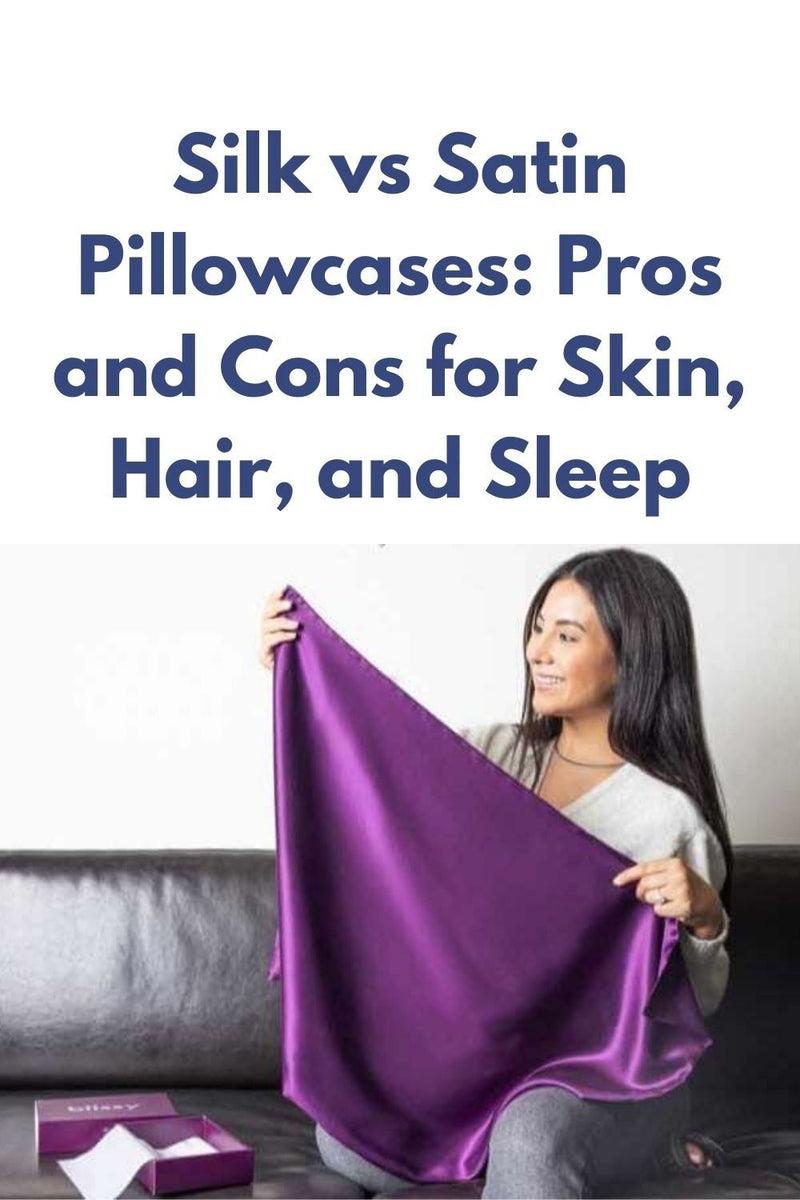 The biggest difference between these smooth-looking fabrics isn't something you can see at first glance.


